Wide and extra wide
Width designations are a long-standing trade convention rather than a regulated system, and they vary between makers. Not one listing in this catalog gives a numerical width.
4 of the 66 listings in this catalog use it
01What the word says
What the word says
Four listings here use a width word: wide, extra wide, roomy toe space, wide width option. Not one of them gives a numerical width. That sentence is the whole content of this page and it is worth stating flatly, because width is the claim on this site that comes closest to being checkable and still is not checked.
Width designations do exist. Letter systems — the familiar B, D, EE and their neighbors — are a trade convention that shoemakers have used for a long time, and within a single maker’s range they are reasonably consistent. Between makers they are not, because nothing obliges anyone to align them. There is no regulator holding a master ruler. A wide from one brand and a wide from another are two different shoes described by the same letter, or by the same adjective with no letter at all, which is the situation in every one of these four listings.
The practical consequence is simple. Width is the one dimension of your own foot that is easy to measure and hard to shop for. You can get your own number in two minutes with a ruler and a wall. What you cannot do, from any listing in this catalog, is find a number to compare it against, because none of the sixty-six provides one.
02What nobody promises
What nobody promises
- Not one listing in this catalog gives a numerical width, in millimeters, inches or any other unit.
- No listing here states a letter width designation such as D or EE.
- Width designations are not aligned between manufacturers and no body requires them to be.
- Roomy and wide are comparatives with nothing named to compare against.
- Nothing on this site draws any conclusion about you or your feet from a width, a shape or an outline.
03What to look at instead
What to look at instead
- Your own foot width, measured across the widest part with a ruler while standing, on both feet.
- The manufacturer’s own size chart, which sometimes carries a width column even when the listing does not.
- A traced outline of your foot held against the shoe’s footprint photographed from directly above.
- The time of day you measure, since feet are commonly larger later in the day than first thing.
- Whether a width option exists at all in the size selector, since an option implies a chart with a second column.
Sources for this page
Sources (3)
The 4 listings that use it
Every listing in this catalog whose text or product name carries this word. Nothing here is ranked and nothing here is recommended.
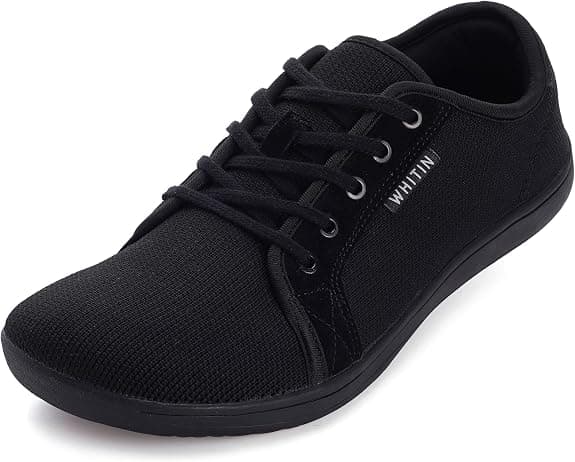
WHITIN Men’s Wide Barefoot Sneakers W81
The listing states a foot-shaped fit, ground feel, lightweight and breathable construction.
Claim words in this listing: 2
Closure statedNo closure stated
Reads as a full-day listing
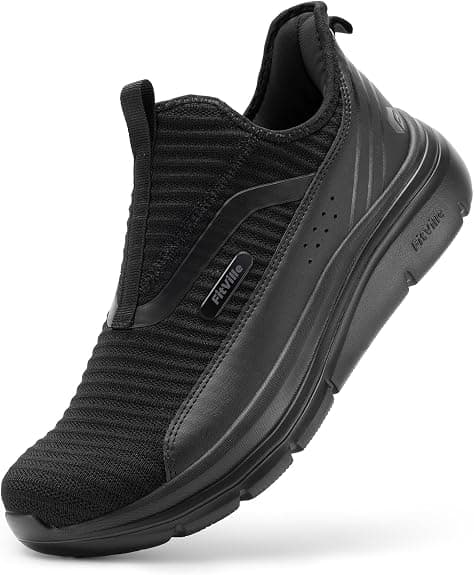
FitVille Extra Wide Slip-On Walking Shoes
BasisThree of the eight catalog claim words appear in this one listing, and no other walking shoe listing here uses more than two.
The listing states extra wide fit and arch support, and the listing uses the phrase foot pain relief.
Claim words in this listing: 3
Closure statedSlip-on or slip-in
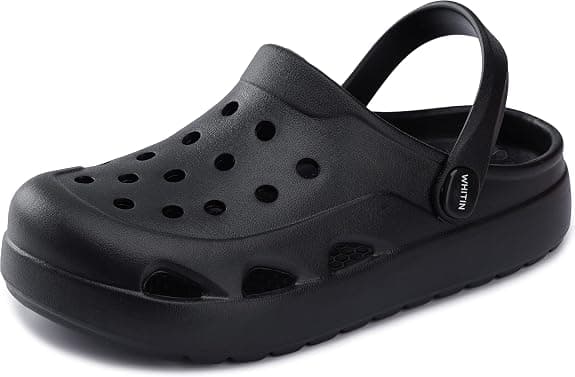
WHITIN Garden Clogs Y71
The listing states arch support, a cushioned sole and roomy toe space.
Claim words in this listing: 3
Closure statedNo closure stated
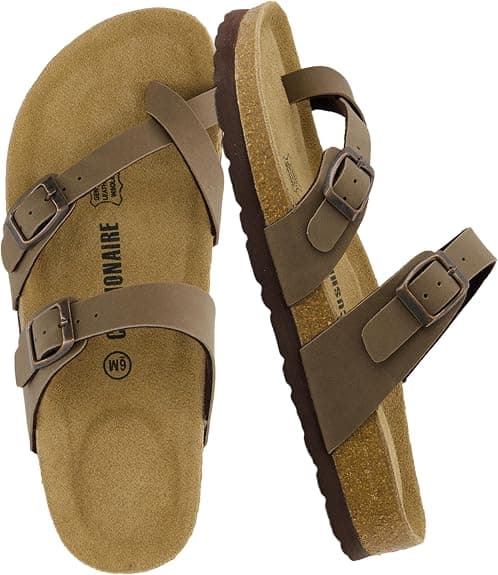
CUSHIONAIRE Luna Cork Footbed Sandals
The listing states a cork footbed, adjustable straps and a wide width option.
Claim words in this listing: 1
Closure statedAdjustable straps